
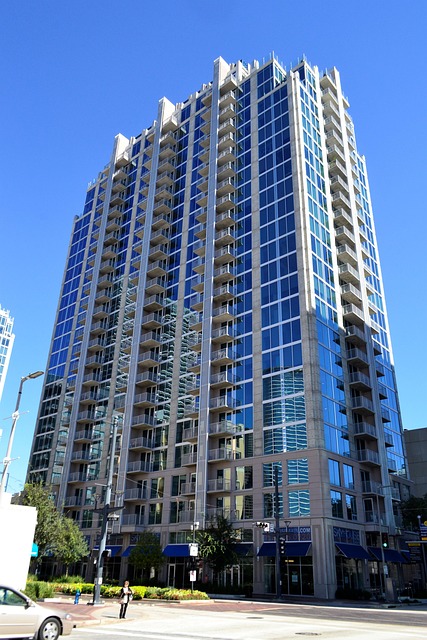
In Denver's competitive real estate market, understanding commercial loans is key for investors and property owners. Lenders assess property value, borrower credit, local trends, and loan purpose. Loan options include conventional, SBA 504, and hard money loans. Borrowers must navigate financial health, property revenue, market value, occupancy rates, and existing debts. Local economy growth can facilitate financing access for qualified borrowers seeking commercial real estate loans in Denver.
- Understanding Commercial Real Estate Loans in Denver
- Types of Financing Options for Commercial Properties
- Qualifying for Commercial Loans: Key Factors
- Interest Rates and Terms Explained
- The Application Process Step-by-Step
- Local Market Trends Affecting Loan Availability
Understanding Commercial Real Estate Loans in Denver

In the dynamic market of Denver, understanding commercial real estate loans is crucial for investors and property owners. These loans are specifically designed to fund or refinance commercial properties, including office buildings, retail spaces, and industrial facilities. The process involves assessing the property’s value, the borrower’s creditworthiness, and the loan’s purpose, all while considering local market trends and regulatory environments.
Denver’s thriving economy and robust real estate scene present both opportunities and challenges for borrowers. Lenders in this area offer various loan types, such as conventional loans, government-backed loans (like SBA 504), and hard money loans, each with its own set of terms and requirements. Commercial real estate loans in Denver can be tailored to meet the unique needs of businesses, ensuring they have the capital required to expand, renovate, or secure their commercial space.
Types of Financing Options for Commercial Properties

When it comes to financing commercial properties in Denver, there are several options available that cater to diverse business needs. Traditional lenders like banks offer a variety of loans tailored for commercial real estate, from fixed-rate mortgages to adjustable-rate loans, providing stability and predictability for businesses looking to secure long-term funding.
Alternative financing methods, such as hard money loans, also play a significant role in the Denver market. These short-term, private loans are ideal for businesses seeking quick funding or those who may not qualify for traditional bank loans. Hard money lenders often provide flexibility and faster approval times, making them an attractive option for commercial real estate investors in the vibrant Denver landscape.
Qualifying for Commercial Loans: Key Factors

Qualifying for a commercial real estate loan in Denver, or anywhere, involves several key factors that prospective borrowers should consider before applying. Lenders assess each application based on a comprehensive review of the borrower’s financial health and the property’s potential for generating revenue. One of the primary considerations is the borrower’s creditworthiness, typically demonstrated through a strong credit history and low debt-to-income ratios. Lenders also scrutinize the property itself, evaluating its market value, location, occupancy rates, and any existing debts associated with it.
Additionally, lenders often require detailed financial statements, business plans, and appraisals to gauge the loan’s risk. The stability and growth potential of the local real estate market can significantly impact approval chances. In Denver, a thriving economy and robust commercial sector can make securing financing more accessible. Understanding these factors beforehand equips borrowers with valuable insights, enabling them to prepare comprehensive applications that increase their chances of qualifying for a commercial real estate loan in Denver.
Interest Rates and Terms Explained

The Application Process Step-by-Step

Applying for a commercial real estate loan in Denver can be a straightforward process once you understand the steps involved. First, gather all necessary documents such as financial statements, business plans, and property appraisals. These will demonstrate your business’s stability and the property’s value.
Next, choose a lender that specializes in commercial real estate loans. In Denver, numerous banks and credit unions offer these services. Research their requirements and compare interest rates, loan terms, and fees to find the best fit for your needs. Once you’ve selected a lender, prepare a comprehensive application, providing detailed information about your business, property, and financial history. The lender will evaluate this data to assess your creditworthiness and determine loan eligibility.
Local Market Trends Affecting Loan Availability

The local market trends play a significant role in shaping the availability and terms of commercial real estate loans in Denver. Denver’s vibrant economy, characterized by consistent growth in sectors like technology, healthcare, and real estate, has led to a high demand for commercial spaces. This increased demand often translates into tighter competition for properties, which can impact loan availability. Lenders may be more inclined to offer favorable terms to developers and investors who can secure prime locations, driving up the cost of capital for smaller businesses or those seeking less popular but equally valuable properties.
Trends in occupancy rates, rental prices, and property values also influence loan decisions. A robust market with strong occupancy and rising rents can make commercial real estate more attractive to lenders, potentially leading to easier access to financing. Conversely, soft market conditions might result in stricter lending criteria as lenders mitigate risk. Understanding these local dynamics is crucial for both borrowers seeking commercial real estate loans in Denver and lenders aiming to navigate this competitive yet promising market effectively.
In navigating the complex landscape of commercial real estate loans in Denver, understanding the various financing options and key factors involved is essential. This article has delved into the types of funding available, qualifying criteria, interest rate considerations, and the step-by-step application process, providing a comprehensive guide for prospective borrowers. By staying informed about local market trends affecting loan availability, individuals and businesses can make more informed decisions regarding commercial real estate loans in Denver, fostering growth and development within the vibrant local economy.