

Securing a commercial real estate loan in Denver requires a deep understanding of property income potential and local market dynamics. Key factors for lenders include loan-to-value ratios (70%-80%), solid business plans, stable cash flow, and strong borrower creditworthiness. Diversified financing options include traditional banking, crowdfunding, and private lending. Successful applications demand thorough documentation, strategic financial planning, and tailored approaches to meet individual lender criteria. Maximize potential through robust debt service coverage and accurate financial projections.
Accessing financing for commercial properties is a cornerstone of economic growth, enabling businesses to expand, innovate, and drive local job creation. However, navigating the complex landscape of commercial real estate loan Denver can be daunting, particularly for smaller enterprises and new investors. This article provides an in-depth exploration of the financing options available for commercial real estate in Denver, offering insights tailored to both seasoned professionals and those new to this dynamic market. Our goal is to empower readers with knowledge, ensuring they make informed decisions that propel their ventures forward.
- Understanding Commercial Real Estate Loan Denver Requirements
- Types of Financing Options for Commercial Properties
- Evaluating Your Property for Loan Eligibility in Denver
- Navigating the Application Process for Commercial Loans
- Key Factors Lenders Consider When Approving Commercial Real Estate Loans
- Maximizing Your Loan Potential: Tips for Commercial Borrowers
Understanding Commercial Real Estate Loan Denver Requirements

Understanding the specific requirements for a commercial real estate loan Denver is crucial for both investors and developers looking to navigate this competitive market. Unlike residential mortgages, commercial loans are typically structured around the property’s income potential rather than the borrower’s creditworthiness alone. This shift in focus demands a deep understanding of cash flow projections, occupancy rates, and the overall health of the local economy. For instance, lenders often require detailed financial statements, including balance sheets, income statements, and cash flow forecasts, to assess the viability of a property and its potential for generating stable returns.
One key aspect that sets commercial real estate loans Denver apart is the emphasis on collateral. Lenders will carefully evaluate the property’s value and compare it against similar properties in the area to determine an appropriate loan-to-value ratio. This ensures that the collateralizing asset is sufficient to cover any potential defaults. According to recent market data, average loan-to-value ratios for commercial properties in Denver range from 70% to 80%, with some lenders offering more favorable terms for well-collateralized investments. Developers and investors should be prepared to provide comprehensive appraisals and financial disclosures to meet these requirements.
Additionally, lenders in the Denver market often require a detailed business plan outlining the property’s use, target tenants, and marketing strategies. This ensures that the loan proceeds will be utilized effectively and that there is a clear path to repayment. Expert advisors recommend demonstrating a solid understanding of the local market dynamics and competition to increase the chances of securing favorable loan terms. By presenting a well-researched and strategically sound plan, borrowers can position themselves for better interest rates, flexible repayment options, and longer-term financing opportunities.
Types of Financing Options for Commercial Properties

Commercial real estate loan Denver options have evolved to meet the diverse needs of business owners and investors. In addition to traditional bank financing, a variety of alternative lending sources and structures now exist, allowing property owners to access capital tailored to their specific circumstances. This range of choices is particularly beneficial for commercial properties, which often require substantial upfront investments and may present unique risk profiles compared to residential real estate.
One prominent option gaining traction in the Denver market and beyond is crowdfunding. Through online platforms, investors from diverse backgrounds pool their funds to back projects that meet specific criteria. This democratization of investment has opened doors for smaller businesses seeking commercial spaces, industrial warehouses, or mixed-use properties. For example, a tech startup looking to establish its headquarters in Denver could secure funding through a crowdfunded commercial real estate loan, leveraging the innovative and community-oriented nature of this financing method.
Another alternative is private lending, often facilitated by hard money lenders who specialize in short-term, high-value loans secured by real estate. These loans can be particularly attractive for quick turnaround times and flexible terms, making them ideal for businesses needing rapid access to capital. For instance, a property owner facing an urgent renovation or a business expansion could secure a commercial real estate loan Denver from a private lender to bridge the gap between sales proceeds and project completion. Careful consideration of interest rates, loan-to-value ratios, and repayment terms is crucial when exploring these non-traditional financing options.
Evaluating Your Property for Loan Eligibility in Denver
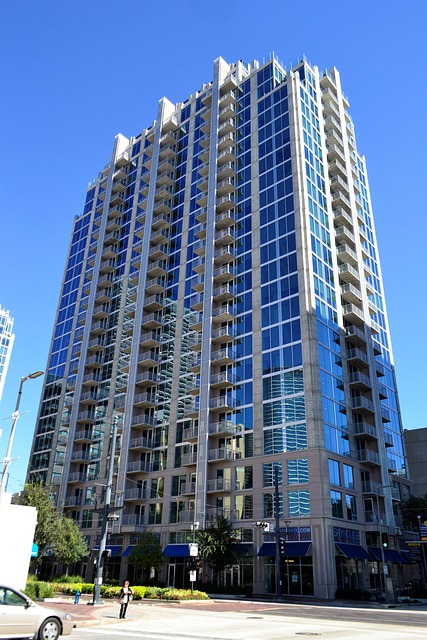
Evaluating a commercial real estate loan in Denver requires a nuanced understanding of property dynamics and market trends. Lenders carefully assess the income potential and risk associated with each investment, making it imperative for prospective borrowers to showcase their property’s solidity and profitability. This process involves meticulous scrutiny of financial statements, rental contracts, and market analysis—all crucial elements that can make or break loan eligibility.
Take, for instance, a recent case study in Denver’s thriving commercial sector. A local business owner sought financing to expand their office space, aiming to capitalize on the city’s booming tech industry. Lenders evaluated the property’s historical occupancy rates, current rental income, and future projections, demonstrating the asset’s stability and market demand. The property’s high lease-to-value ratio and solid tenant relationships significantly enhanced its appeal, paving the way for a favorable commercial real estate loan Denver lenders were willing to extend.
However, not all properties fare as well. Factors such as vacant units, declining rental rates, or poor maintenance can negatively impact loan eligibility. Lenders often look for properties with stable, consistent cash flow and a track record of successful leasing history. Prospective borrowers should anticipate these expectations and be prepared to provide detailed documentation that highlights the property’s strengths and addresses any potential red flags. By presenting a comprehensive evaluation, investors in Denver’s commercial real estate market can secure financing that aligns with their goals, fostering sustainable growth within the city’s dynamic economic landscape.
Navigating the Application Process for Commercial Loans

Navigating the application process for commercial loans can be a complex task, especially for those new to the world of commercial real estate in Denver. With stringent criteria and a competitive market, understanding the steps involved is crucial for success. Lenders typically require thorough documentation, including detailed business plans, financial projections, and personal and business tax returns. This extensive process aims to assess the viability of the investment and mitigate risks.
In the vibrant commercial real estate loan Denver scene, lenders such as banks, credit unions, and private money lenders offer various loan programs tailored for different property types and borrower profiles. Each lender has its own set of requirements, interest rate structures, and terms, making it essential to shop around and compare options. For instance, traditional bank loans often require a substantial down payment and strict adherence to fixed repayment schedules, while private money lenders might provide faster approvals with more flexible conditions but at potentially higher interest rates.
Practical insights include preparing comprehensive financial statements, maintaining strong credit scores, and demonstrating a solid understanding of the local market dynamics. It’s also beneficial to engage with industry experts who can offer guidance tailored to Denver’s unique commercial real estate landscape. For instance, data from the National Multifamily Housing Council shows that Denver’s apartment market has been booming, creating opportunities for investors but also intensifying competition for financing. Therefore, a strategic approach and thorough preparation are key to navigating this competitive environment successfully.
Key Factors Lenders Consider When Approving Commercial Real Estate Loans

When it comes to financing commercial properties, lenders in Denver, like elsewhere, carefully evaluate a range of factors before approving a commercial real estate loan. These considerations are not just about the property itself; they encompass the borrower’s financial health, market conditions, and the specific details of the proposed use. Understanding these key factors is crucial for prospective borrowers looking to secure funding for their commercial ventures in Denver.
One primary factor lenders assess is the borrower’s creditworthiness. This includes examining their personal and business credit scores, debt-to-income ratios, and financial statements. Lenders want to ensure that the borrower has a solid track record of managing debt and can comfortably handle the additional loan payments. In Denver, where the commercial real estate market is competitive, lenders often look for borrowers with high credit scores and stable financial histories. For instance, a borrower seeking a commercial property loan in downtown Denver may be required to provide detailed financial disclosures and tax returns to demonstrate their financial stability.
Another critical aspect is the property’s value and the loan-to-value (LTV) ratio. Lenders will appraise the property to determine its market value and compare it to the proposed loan amount. A lower LTV ratio, typically below 80%, often indicates a safer investment for lenders. In Denver, where commercial real estate values can be high, borrowers may need substantial equity or a strong debt service coverage ratio (DSCR) to qualify for financing. For example, a lender might require a 20% down payment on a $2 million office building loan to ensure they have significant security for the loan.
The intended use of the property and its operational history are also key considerations. Lenders prefer properties with stable and predictable cash flows, such as those generating consistent rental income or serving essential business purposes. In Denver’s diverse real estate market, lenders might be more lenient on new developments promising high returns but will likely demand robust plans for occupancy and revenue generation. Borrowers should expect to provide detailed business plans, market analysis, and comparable sales data to support the proposed use of the property.
Maximizing Your Loan Potential: Tips for Commercial Borrowers

Maximizing your loan potential for commercial real estate loans Denver requires a strategic approach. Lenders carefully assess each property and borrower’s financial health, making it crucial to present a compelling case. One of the key factors is demonstrating strong debt service coverage—ensuring that your revenue consistently exceeds expenses, including the proposed loan payments. For instance, a study by the National Association of Real Estate Investment Trusts (NAREIT) revealed that properties with higher debt service coverage ratios (DSCR) often attract better loan terms and lower interest rates.
Commercial borrowers should also focus on providing detailed financial projections. Lenders want to see a clear understanding of your business’s future cash flows. Accurate pro forma financial statements, including income and expense estimates, can strengthen your application. In the Denver market, where commercial real estate loans are competitive, having robust financial records and forecasts can set you apart from other borrowers. Additionally, maintaining a solid credit profile is essential; a strong credit history indicates reliability to lenders.
Another strategy is to secure a strong co-borrower or guarantor with an excellent credit rating. This individual should have the financial capacity to cover the loan if needed. Co-borrowers can enhance your loan potential and potentially improve the terms offered. For example, a local Denver business owner with a successful track record could be an ideal co-borrower, adding credibility to your loan request. Remember, each lender has its criteria, so tailoring your application to meet their specific requirements is vital for maximizing your chances of securing the best commercial real estate loan Denver has to offer.
By navigating through the intricacies of a commercial real estate loan Denver market, this article has equipped readers with a comprehensive understanding of securing financing for commercial properties. Key insights include recognizing the diverse financing options available, such as traditional loans, government-backed programs, and alternative lenders. Evaluating property eligibility involves assessing its income potential, occupancy rates, and market value, which are crucial factors in lender decisions. The application process requires thorough documentation, financial statements, and a well-prepared business plan. Lenders consider debt service coverage ratios, loan-to-value ratios, and the borrower’s creditworthiness. To maximize loan potential, borrowers should focus on improving property efficiency, securing strong tenants, and demonstrating stable income streams. Practically, readers can take the next step by consulting with local commercial real estate experts to tailor financing strategies based on their unique Denver market insights and property profiles.