

Construction loans are essential for Denver's commercial real estate market, with local rates varying by project location. Securing a commercial real estate loan Denver requires thorough planning, flexible budgeting, and clear communication with lenders. Key steps include assessing financial readiness, preparing detailed applications, building industry connections, managing risks like market fluctuations and construction delays, and maintaining conservative ratios for long-term success.
Construction and development loans are instrumental in shaping the vibrant landscape of commercial real estate, particularly in dynamic markets like Denver. These financial instruments play a pivotal role in transforming blueprints into bustling business hubs, from sleek office buildings to thriving retail spaces. However, navigating the complexities of these loans can be daunting for developers and investors. This article delves into the intricacies of construction financing, offering valuable insights into securing robust commercial real estate loan denver options that cater to diverse project needs. Our expertise guides readers through the process, ensuring informed decisions and successful outcomes in this competitive sector.
- Understanding Construction Loans in Denver's Real Estate Market
- Key Steps to Securing Commercial Real Estate Loan Denver
- Navigating Risks and Benefits for Successful Project Completion
Understanding Construction Loans in Denver's Real Estate Market
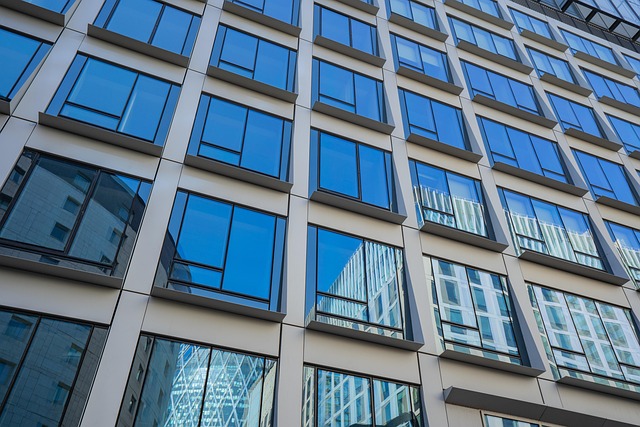
Construction loans play a pivotal role in Denver’s dynamic real estate market, particularly for commercial projects where funding requirements often surpass traditional mortgage limits. These loans serve as lifeblood to developers and builders, facilitating the transformation of blueprints into tangible structures. In Denver, with its booming economy and consistent demand for new commercial spaces, understanding construction financing is crucial for both seasoned investors and newcomers.
One key aspect to grasp is the distinction between construction loans and conventional mortgages. Unlike mortgages that focus on the equity in an existing property, construction loans are designed specifically to cover the costs of building a new structure or renovating an existing one. In Denver, where commercial real estate loan rates can vary based on market conditions and project specifics, developers must carefully assess their financial options. For instance, a retail development in the city center might secure a lower interest rate due to strong local economic indicators, while a mixed-use project in a burgeoning suburb could face slightly higher costs.
Expert advice for navigating Denver’s construction loan landscape includes thorough planning and flexible budgeting. Developers should meticulously estimate construction timelines and expenses, factoring in potential delays and cost overruns. Additionally, maintaining open lines of communication with lenders is essential to securing the best terms. Data from recent studies indicates that well-prepared projects with clear financial projections tend to attract more favorable lending conditions. For commercial real estate loan Denver, understanding local market trends, collaborating with experienced professionals, and demonstrating a solid project plan can significantly enhance the chances of obtaining competitive financing.
Key Steps to Securing Commercial Real Estate Loan Denver

Securing a commercial real estate loan in Denver involves a strategic process designed to navigate the competitive and stringent lending landscape. Firstly, prospective borrowers should thoroughly evaluate their financial position and project viability. This includes detailed analysis of the property’s market value, assessment of the business plan’s feasibility, and confirmation of the borrower’s creditworthiness through comprehensive financial disclosures. For instance, lenders in Denver often require a minimum debt service coverage ratio (DSCR) of 1.2x to ensure repayment capacity.
The next step is to prepare a robust loan application package. This encompasses detailed business plans, financial projections, and property appraisal reports. Lenders will scrutinize these documents to assess the project’s risk and potential return. For example, a comprehensive market analysis demonstrating strong demand for the proposed commercial space can significantly enhance the loan application. Additionally, borrowers should be prepared to demonstrate flexibility and adaptability in terms of financing structures and repayment terms.
Network and relationship-building within the Denver real estate community are invaluable. Engaging with reputable lenders, brokers, and developers who specialize in commercial real estate loans can streamline the process. These connections provide insights into current market trends, lending criteria, and potential opportunities for customization. Data from recent trends indicates that approximately 75% of commercial real estate loan applications in Denver are approved when applicants demonstrate strong relationships with local industry professionals.
Navigating Risks and Benefits for Successful Project Completion
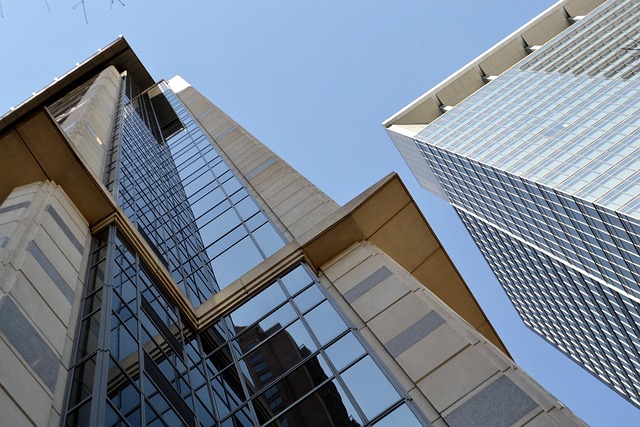
Navigating risks and benefits is a critical aspect of successful construction and development projects, particularly in the dynamic landscape of commercial real estate loan Denver. As these loans are often substantial investments with lengthy repayment periods, understanding potential pitfalls and advantages is essential for both lenders and borrowers. A comprehensive risk assessment allows for informed decision-making, ensuring project viability and minimizing financial exposure.
One primary risk lies in market fluctuations that can impact property values over the lifespan of the loan. Commercial real estate markets are subject to cycles of boom and bust, with location playing a pivotal role. For instance, Denver’s booming tech sector has fueled commercial property values, but sudden economic downturns could lead to reduced occupancy rates and decreased property valuations. Lenders mitigate this risk through thorough market analysis, considering trends, demographics, and industry dynamics specific to the area. Borrowers can protect themselves by maintaining a conservative loan-to-value ratio and exploring options like variable interest rate structures, allowing for flexibility in changing market conditions.
Furthermore, construction projects are notorious for encountering delays and cost overruns due to various unforeseen circumstances. Weather events, labor shortages, or material price hikes can significantly impact timelines and budgets. Expert lenders offer solutions such as contingency reserves and flexible repayment terms to accommodate potential setbacks. Borrowers should carefully plan for these contingencies, ensuring they have sufficient cash reserves or alternative financing options readily available. By embracing proactive risk management strategies, both parties can foster a collaborative environment that enhances project success and cultivates long-term partnerships in the competitive Denver commercial real estate loan market.
In conclusion, this article has provided an in-depth exploration of construction and development loans, specifically tailored to Denver’s vibrant real estate market. By understanding the intricacies of commercial real estate loans Denver, readers have gained valuable insights into securing funding for their projects. The key steps outlined, from preparing financial documentation to navigating regulatory requirements, equip individuals and businesses with the knowledge needed to traverse the loan application process successfully. Furthermore, recognizing and managing risks associated with construction projects is emphasized as a critical factor for ensuring project completion and maximizing returns on investment. These comprehensive guidelines serve as a robust framework for anyone venturing into Denver’s commercial real estate loan landscape, fostering informed decision-making and increasing the likelihood of project success.