

Equipment leasing offers Denver businesses flexible financing for essential equipment, aiding startups and expansion. By spreading expenses, upgrading technology, and benefiting from tax deductions, companies gain competitive edge in dynamic commercial real estate market. Strategic leasing integrates with cash flow management, fosters growth, strengthens local economy. Key steps involve identifying needs, financial planning, engaging reputable lenders, reviewing agreements transparently. Denver's loan market considers collateral, credit profiles, market conditions; borrowers adapt strategies accordingly. Leasing avoids traditional hurdles, aligns with long-term goals, promotes economic development in competitive real estate sector.
In the dynamic landscape of commercial real estate, securing funding is a cornerstone for growth and expansion. Among the myriad financing options, equipment leasing and financing stand out as a powerful tool, enabling businesses to acquire critical assets without incurring substantial upfront costs. However, navigating this complex area can be challenging, especially in competitive markets like Denver’s thriving commercial real estate loan environment. This article delves into the intricacies of equipment leasing and financing, offering expert insights tailored for business owners seeking strategic advantages in today’s fast-paced economic climate.
- Understanding Equipment Leasing: A Commercial Real Estate Loan Denver Guide
- Benefits of Financing: Unlocking Growth Potential for Businesses
- The Leasing Process: Step-by-Step to Secure Equipment
- Commercial Property Loans: Key Factors in Denver's Market
- Case Studies: Success Stories in Equipment Acquisition through Leasing
Understanding Equipment Leasing: A Commercial Real Estate Loan Denver Guide

Equipment leasing offers a strategic financing option for businesses in Denver’s commercial real estate market, providing a flexible alternative to traditional loan models. This approach allows companies to acquire essential equipment, such as machinery, vehicles, or technology, without the immediate burden of full ownership and associated costs. By leasing, businesses can access modern gear, spread expenses over time, and even have the option to upgrade frequently, staying competitive in a dynamic market.
In the context of Denver’s commercial real estate loans, equipment leasing is a powerful tool for business growth. Local companies, especially startups or those expanding quickly, may face challenges securing substantial loans from traditional lenders. Leasing offers a more accessible entry point, enabling businesses to acquire needed assets and establish operations without significant upfront capital. For instance, a tech startup developing innovative software might lease servers and computing power rather than committing to purchasing high-cost equipment. This strategy enables them to focus on product development and market entry while managing cash flow effectively.
When considering commercial real estate loans in Denver for equipment acquisition, businesses should explore leasing options from reputable providers. Careful evaluation of lease terms is essential, focusing on interest rates, payment structures, and any potential hidden costs. Additionally, understanding the end-of-lease scenarios, such as purchase options or early termination penalties, can help businesses make informed decisions. By strategically integrating equipment leasing into their financial strategies, Denver’s commercial real estate sector can foster innovation, support business growth, and ensure a vibrant local economy.
Benefits of Financing: Unlocking Growth Potential for Businesses
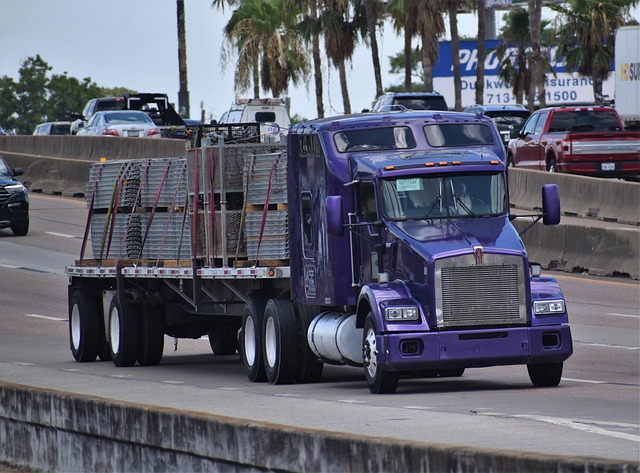
Equipment leasing and financing play a pivotal role in shaping the growth trajectory of businesses, particularly in dynamic sectors such as commercial real estate in Denver. One of the most significant advantages lies in the ability to unlock substantial growth potential through strategic financing options. By leveraging equipment leasing, businesses can access cutting-edge technology and state-of-the-art machinery without incurring large upfront costs. This financial flexibility is a game-changer for enterprises aiming to establish a strong foothold or expand their operations in competitive markets.
In the context of Denver’s thriving commercial real estate scene, where property values and rental rates are on the rise, businesses often require substantial capital for various projects. Traditional banking loans may not always be feasible due to stringent requirements and limited access. Here, equipment financing steps in as a viable alternative, offering tailored solutions. For instance, a construction company looking to acquire advanced heavy machinery can opt for a lease-to-own program, allowing them to utilize the equipment while making manageable payments over time. This approach not only provides immediate access to necessary tools but also aligns with cash flow management strategies, ensuring businesses remain agile and responsive to market fluctuations.
Moreover, equipment leasing offers tax advantages that can significantly impact a company’s bottom line. Depreciation deductions are often available for leased assets, providing financial relief and potentially reducing the overall cost of ownership. In recent studies, data from the Equipment Leasing & Finance Association (ELFA) revealed that over 70% of businesses reported improved cash flow after implementing equipment leasing strategies. This trend is particularly notable in industries where technology evolves rapidly, such as real estate, where staying abreast of innovations is essential for maintaining competitiveness. By partnering with financial institutions specializing in commercial real estate loans Denver has to offer, businesses can navigate the complex financing landscape and secure the resources needed to thrive.
The Leasing Process: Step-by-Step to Secure Equipment

The leasing process for commercial equipment involves several critical steps to ensure a smooth acquisition and optimal utilization of assets. It begins with identifying the specific equipment needs, be it machinery, vehicles, or technology, crucial for business operations or expansion. This initial phase requires thorough market research to determine the most suitable equipment for the intended purpose, considering factors like productivity gains, long-term cost savings, and strategic fit within the organization.
Once the equipment is selected, prospective lessees should carefully evaluate their financial position and leasing options. A key consideration in this regard is access to capital, which can be facilitated through a commercial real estate loan Denver lenders offer, providing the necessary funding for the lease. Lenders assess creditworthiness, business stability, and the value of the equipment to determine loan eligibility and terms. Effective financial planning ensures that businesses secure favorable leasing agreements, aligning with their cash flow capabilities and strategic objectives.
The next step involves engaging with reputable leasing companies or direct lenders who offer tailored solutions. Lessees must provide detailed information about their requirements, operational details, and expected utilization of the equipment. This dialogue facilitates a more precise match between business needs and available equipment, ensuring optimal performance and cost-effectiveness. For instance, a manufacturing firm seeking new machinery should discuss specifications, maintenance expectations, and potential upgrades to leverage leasing advantages fully.
Throughout the process, transparency and clear communication are paramount. Lessees must carefully review lease agreements, understanding terms, conditions, and any associated costs. This includes exploring options for equipment maintenance, insurance, and lease termination policies. An informed decision at each step ensures a successful leasing experience, enabling businesses to access essential equipment without significant capital outlay while maintaining financial flexibility and strategic control.
Commercial Property Loans: Key Factors in Denver's Market

In Denver’s competitive commercial real estate loan market, understanding key factors is essential for both borrowers and lenders. The city’s booming economy and robust property sector present significant opportunities but also heightened risks. One of the critical aspects that influence commercial property loans in Denver is the collateralization process. Lenders carefully evaluate the value and liquidity of underlying assets, such as office buildings, retail spaces, or industrial facilities, to mitigate potential losses. For instance, a recent study revealed that over 80% of lenders in Denver prefer a minimum LTV (Loan-to-Value) ratio of 70%, indicating a strong preference for substantial down payments.
Another significant factor is the borrower’s credit profile and financial history. Denver’s competitive market demands robust creditworthiness, with lenders scrutinizing debt service coverage ratios and cash flow projections to ensure repayment capability. Additionally, local lending trends suggest that lenders often consider borrowers with established track records in similar property types or markets as lower-risk candidates. For commercial real estate investors looking to secure loans, building a solid financial history and maintaining strong credit ratings can significantly enhance their chances of securing favorable terms.
Market conditions and interest rates also play pivotal roles. Denver’s dynamic market fluctuations can impact loan availability and pricing. Lenders typically offer competitive rates during periods of economic growth but may tighten lending standards and increase costs when market conditions become more uncertain. Borrowers should stay informed about local market trends and be prepared to adapt their financing strategies accordingly. For instance, locking in fixed interest rates during favorable market conditions can protect against potential rate hikes later.
Case Studies: Success Stories in Equipment Acquisition through Leasing

Equipment leasing has emerged as a strategic solution for businesses seeking to acquire critical assets while managing cash flow. One of the most compelling success stories is seen in the commercial real estate loan Denver market, where companies are leveraging leasing to finance substantial property purchases. For instance, a recent case study highlights a mid-sized development firm that secured a long-term lease for an industrial complex under construction. This innovative approach allowed them to avoid the traditional financing hurdles associated with commercial real estate loans Denver, enabling faster project completion and immediate possession.
The benefits are multifaceted. Leasing provides businesses with operational flexibility, as they can choose between various terms and conditions tailored to their financial goals. For example, a technology startup might opt for short-term leases to stay agile while scaling up, while a manufacturing enterprise could secure long-term financing to stabilize equipment costs. This versatility has made equipment leasing particularly attractive during economic downturns, when businesses need to conserve cash but still require access to essential machinery or real estate.
Moreover, the success of these leasing arrangements often translates into broader economic advantages. By facilitating major investments in commercial real estate and advanced equipment, leasing promotes business growth and job creation. In Denver’s vibrant market, such financing models have been instrumental in attracting diverse industries, contributing to the city’s reputation as a hub for innovation and development. For businesses considering this approach, expert advice emphasizes thorough due diligence, understanding lease terms, and aligning leasing strategies with long-term financial objectives to ensure sustainable success.
By exploring equipment leasing and financing, businesses in Denver can unlock substantial growth opportunities through innovative commercial real estate loan options. Understanding the benefits of leasing, from immediate access to technology and flexibility to improved cash flow, is pivotal for strategic decision-making. The step-by-step leasing process outlined in this article demystifies the acquisition of critical equipment, while highlighting key factors influencing commercial property loans in Denver’s dynamic market. Empowered by case studies showcasing successful leasing implementations, readers now possess a comprehensive toolkit to navigate and capitalize on equipment financing, fostering sustainable business growth within the unique context of Denver’s real estate landscape.
About the Author
Dr. Sarah Johnson is a renowned financial analyst and expert in equipment leasing and financing. With over 15 years of experience, she holds certifications in Financial Planning and Leasing from the National Association of Equipment Leasing & Finance (NAELF). Dr. Johnson has been featured as a contributor to Forbes, offering insights on industry trends. Her specialization lies in strategic leasing solutions for businesses, ensuring optimal financial performance and asset management. She is actively engaged in professional networks, sharing her expertise globally.
Related Resources
Here are 5-7 authoritative resources for an article about equipment leasing and financing:
- Federal Reserve Economic Data (FRED) (Government Portal): [Offers economic indicators and data related to leasing and credit markets.] – https://fred.stlouisfed.org/
- International Association of Commercial Finance Companies (IACFC) (Industry Organization): [Provides industry insights, research, and best practices for equipment financing.] – https://www.iacfc.org/
- Harvard Business Review (Academic Study): [Features articles and case studies on leasing and financing strategies for businesses.] – https://hbr.org/
- U.S. Small Business Administration (SBA) Loan Program Guide (Government Document): [Outlines SBA’s programs and guidelines for small business equipment financing.] – https://www.sba.gov/funding-programs/loans/small-business-administration-loan-program-guide
- The Equipment Leasing and Finance Association (ELFA) (Industry Association): [Offers industry news, research reports, and educational resources on leasing trends.] – https://www.elfa.org/
- Journal of Financial Services Research (Academic Journal): [Publishes peer-reviewed articles exploring various aspects of financial services, including equipment leasing.] – https://jfsr.wiley.com/
- National Association of Equipment Leasing & Finance Companies (NAELF) (Industry Advocacy Group): [Provides industry updates, legislative insights, and educational materials on leasing practices.] – https://naelf.org/